Choosing the Best Website Builder in 2026: Avoiding the Beginner's Tax
- Jan 25
- 4 min read
Updated: Feb 4
When I first started building websites, I thought "Unlimited Features" meant a better builder. Boy, was I wrong! I ended up paying what I call the "Beginner’s Tax"—spending $40 a month on a platform so complex that I was too scared to update my own homepage.
At CuratedHub, we don’t just "review" software; I stress-test it while my coffee goes cold and my patience wears thin. If a tool makes me want to throw my laptop, it doesn’t make the list. Here are the 7 factors that truly matter when you’re building your digital home in 2026.
1. The "Sunday Morning" Test (Ease of Use)
Can you wake up on a Sunday, decide to change a headline, and be back at breakfast in 5 minutes?
Most builders have a "dashboard" that looks like a cockpit. If it takes three clicks just to find your blog editor, you’ll stop posting.
I look for "Visual Flow." Platforms like Site123 win here because they guide you. They don’t give you a blank white screen (which is terrifying); they provide a structure that prevents you from making it look ugly.
2. The "Hostage" Situation (Data Portability)
This is the "dark side" of the industry. Some builders make it easy to start but impossible to leave. If you try to move your site, they won’t let you export your design or your blog's history.
You should own your work. Period.
I check the "Small Print" for you. I only champion builders that let you take your domain and your data with you. Never build a mansion on land you’re only renting with no exit clause.
3. Scalability: Buying for the "Future You"
Today, you need a bio and a link. In six months, you might want to sell a PDF, book a coaching call, or run a membership.
Choosing a "mini" builder that breaks the moment you add 10 pages.
Look for a "Business-in-a-Box." Shopify is the king of this—it handles 1 sale or 1 million sales without you needing to touch the "engine."
4. SEO: Why "Clean Code" is Your Best Salesperson
You can write the best blog in the world, but if your website builder generates "bloated code," Google will bury you on page 10.
In 2026, Google tracks Core Web Vitals (speed and stability). I’ve run speed tests on these builders. If a platform prioritizes flashy animations over "Lightweight Loading," I cut it. Your site needs to be fast enough for a user on a weak 5G signal in a coffee shop.
5. The "Thumb-Friendly" Design (Mobile)
We don't "browse" the web anymore; we "scroll" it with our thumbs.
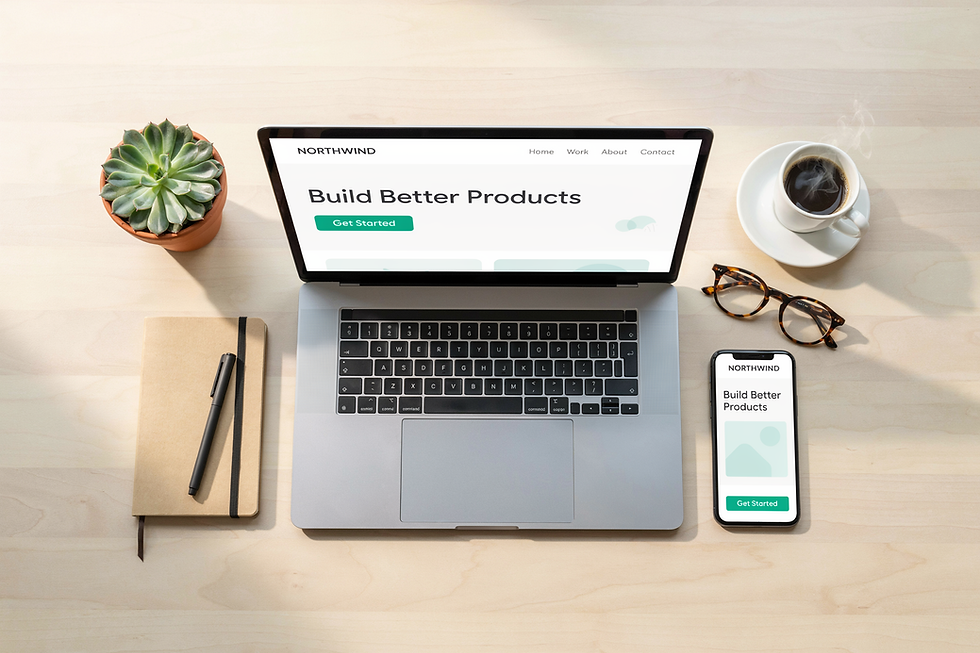
I open every builder’s "Mobile Preview" and try to click the buttons. If I have to zoom in just to hit "Contact," the builder is stuck in 2015. Your site must be Mobile-Responsive by default, not something you have to "fix" later.
6. Support: The "Real Person" Guarantee
Automation is great until your checkout page stops working during a launch.
I’ve spent hours in "Live Chat" queues. The "Meat" here is simple: Avoid builders that only offer email support or bot-only loops. You want a 24/7 lifeline. Wix and Shopify are the gold standards for having a human ready to help when things get weird.
7. Pricing: Beware the "Success Tax"
Some builders look cheap ($5/month!) until you realize they take a 3% cut of every sale you make.
That’s your hard-earned money. As you grow, that 3% becomes hundreds of dollars.
I highlight builders with Transparent Pricing. No hidden transaction fees, no sudden "pro feature" upsells. You should know exactly what’s leaving your bank account every month.
The Final Word: My Personal Shortlist
If you want to launch by tonight without a headache: Site123 is the one I’d give my own mom to use. If you want to build an empire and don't mind a "learning weekend": Shopify is the undisputed heavyweight.
Additional Tips for Choosing the Right Website Builder
Choosing the right website builder can feel overwhelming. Here are a few more tips to help you make the best choice:
Understand Your Needs
Before diving into the world of website builders, take a moment to reflect on what you need. Are you looking for e-commerce capabilities? Or perhaps a blog? Knowing your primary goals will help narrow down your options.
Explore Templates and Customization Options
A good website builder should offer a variety of templates. Look for one that allows you to customize these templates easily. You want your site to reflect your brand, not look like a cookie-cutter version of someone else's.
Test Drive Before You Commit
Most builders offer free trials. Take advantage of these! Spend some time playing around with the interface. If it feels clunky or frustrating, that’s a red flag.
Stay Updated on Trends
The digital landscape changes rapidly. Keep an eye on emerging trends in website design and functionality. What works today might not work tomorrow.
Seek Recommendations
Don’t hesitate to ask fellow business owners about their experiences. Word of mouth can be incredibly valuable when choosing a platform.
Conclusion
Navigating the world of website builders can be tricky, but with the right knowledge and tools, you can avoid costly mistakes. Remember, the best website builders for business owners in 2026 are those that empower you to create, manage, and grow your online presence with ease.
So, what are you waiting for? Dive in and find the perfect builder for your needs!


Comments